Bespoke software and business tools
Bespoke CRM for engineering firms that already run an ERP
By the Stator team · Published · 7 min read
The ERP knows what every customer has ordered and paid for, and the service team knows which machine sits at which site.
A bespoke CRM (customer relationship management) is software for keeping track of customers and what they ask for, built around the way one firm works instead of a package the firm bends itself to fit. For an engineering firm that already runs an ERP, it keeps customers, the machines they own by serial number, the quotes waiting to be chased and the incoming enquiries in one place. It reads the customer records the ERP already holds, so nobody starts a second customer list beside it.

Why does a firm with an ERP still have no CRM?
A firm with an ERP often has no CRM because the ERP was built to run orders and invoices, while everything that happens before an order has never had a proper home.
The enquiry lands in a shared inbox and is forwarded by hand. The quote goes out from somebody's own mailbox and is chased when they remember, and which machine sits at which site lives in the service team's heads or in a spreadsheet. The result is that nobody can see in one place what a given customer has asked for, been quoted and owns. The signs that it is time for a CRM look like this:
- The same customer is typed into a spreadsheet when the ERP already holds them.
- A quote goes unchased because the person who sent it was on holiday, a perfectly good reason to be away and a poor reason to lose a job.
- An enquiry is answered twice, or not at all.
- A service engineer rings the office to ask what the customer has on site.
Bespoke CRM or off the shelf?
An off-the-shelf CRM is the better buy for a team that sells the way most teams sell, and a bespoke CRM earns its place once the customer list lives in the ERP and the business runs on machines already installed at customers' sites.
An off-the-shelf CRM can be running this month, and it handles contacts and a sales pipeline well. It is built around a salesperson and an opportunity, while a service business turns around a machine and its serial number. It also keeps its own customer list, so beside an ERP somebody keeps two lists in step. A package is paid per user every month, where custom business software is paid for its build and upkeep and belongs to you.
GOV.UK's guidance for government bodies on defining a purchasing strategy makes a point that holds for a CRM: even small modifications to off-the-shelf software can remove most of the benefits of using it. The general case is set out in the advantages and disadvantages of bespoke software.
When an off-the-shelf CRM is enough
If the firm has no ERP worth keeping and mostly sells new equipment the way others in its trade do, an off-the-shelf CRM will do the job, and we say so. Once the customer list lives in the ERP and the work comes from the installed base, the package is the one that creates a second list to keep in step.
What a bespoke CRM holds for an engineering firm
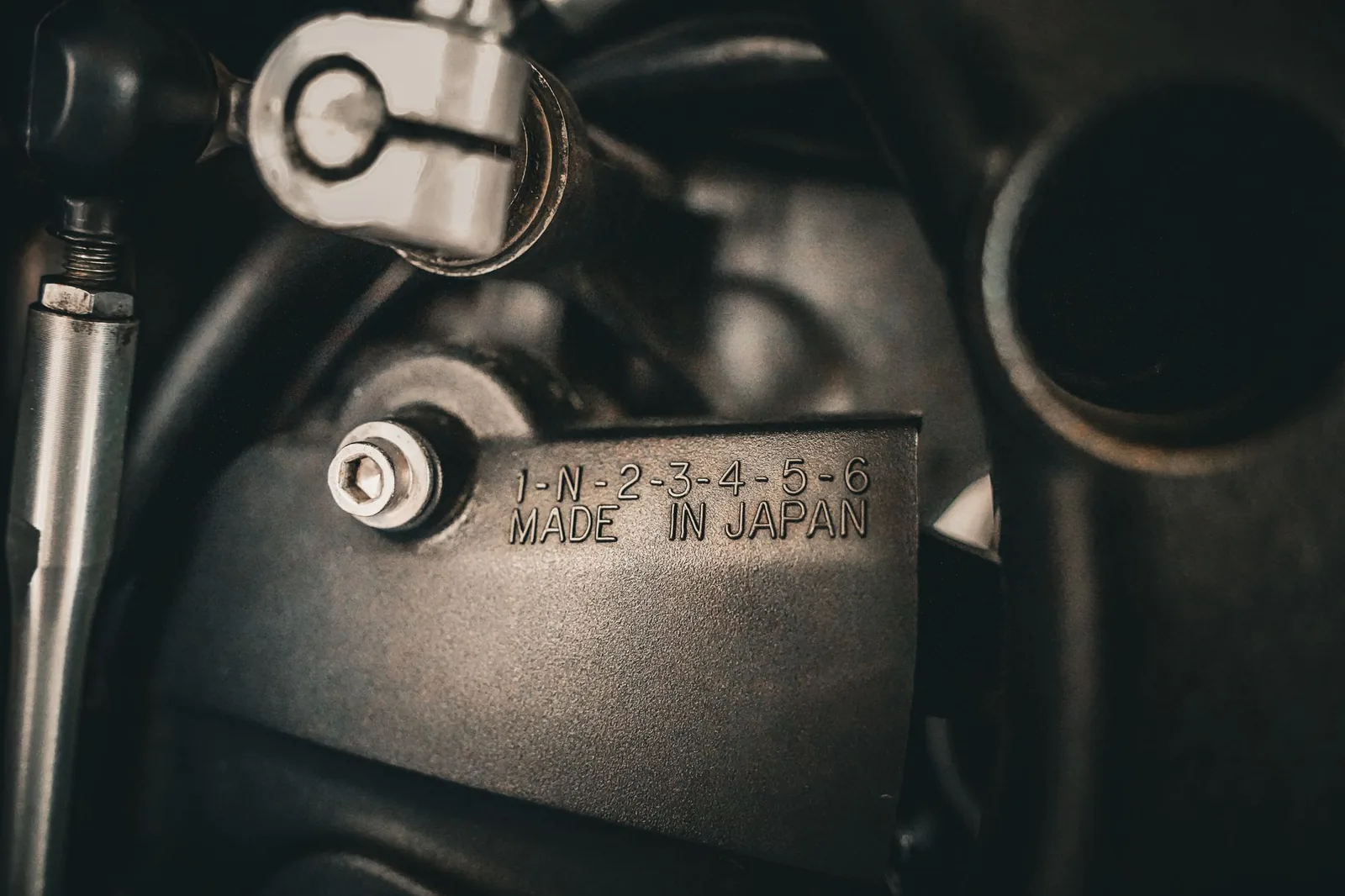
In a service business, the record that matters most sits right next to the customer: the machine, with its serial number, its model, its site and the date of its last visit.
| What it is | Kept in the ERP | Added by the CRM |
|---|---|---|
| Customers and sites | The account and its invoices | Contacts and the history of what they asked |
| Machines by serial number | The original sale, when the firm supplied it | Model, site, date installed and last visit |
| Quotes | The order, once won | The quote, its status and the next chase date |
| Incoming enquiries | Nothing until an order exists | Every email and call, logged against the customer and the machine |
| Service history | The invoice for the work | The job sheet, shown under its machine |
A quote for spares, an enquiry about a fault and the next visit all hang off the same serial number, so opening a gearbox shows its open quotes and earlier enquiries. The service history comes from job sheet software, filled in on site. Planning which engineer goes where is the work of field service management software.
Does a bespoke CRM replace your ERP?
A bespoke CRM leaves your ERP in place: the customer record stays in the ERP, and the CRM reads it and writes back only what the ERP is meant to hold and allows it to receive, so the firm keeps one customer list.
We do not build a bespoke ERP, and we do not ask anyone to change theirs. The connection goes through the doors the ERP's vendor provided, such as a scheduled file export or a documented interface, and leaves the ERP's own database untouched. What a given ERP lets us read and write is checked before anything is promised.
What AI does inside a bespoke CRM
Inside a bespoke CRM, AI reads each incoming email and suggests which customer and which machine it concerns, so the enquiry is filed against the right serial number.
When the serial number or the fault description is missing, it drafts the reply that asks for it. When a quote goes quiet, it prepares the chase for whoever sent it. AI prepares, and one of your people checks and sends anything that matters, so a technical answer never leaves unread. It does not decide what to quote or guess how many hours a repair will take.
Bespoke CRM development, one job at a time
Bespoke CRM development works best one job at a time, starting where the most information is lost or retyped, often the path from enquiry to quote, with the installed base next. The people who will use the first version try it on real past enquiries and quotes before it goes live.
We built ourselves a CRM we did not really need, and rebuilt the same page more times than we care to admit, which is why we now ask where the time goes before building anything.
Stator is a French company that shows industrial businesses with 10 to 199 employees (industrial maintenance, lifting and materials handling, machinery, after-sales service) where their time goes and what AI can take over, then builds the missing tool, wired into the ERP or software they already run. We start with a free 30-minute video call on where your team's time goes and which job to tackle first, then build one tool at a time, quoted beforehand and owned by you.
Frequently asked questions about bespoke CRM
Can AI build a CRM on its own?
AI cannot build a useful CRM on its own, though it has made building one quicker and more affordable for a small firm than it used to be. Someone who knows the business still decides what the CRM holds, and checks it against real past enquiries before anyone relies on it.
Who owns a bespoke CRM and the data in it?
Like any bespoke business software, a bespoke CRM should belong to the firm it is built for, code and data alike, written into the agreement. The Intellectual Property Office's guidance on ownership of copyright works says the first legal owner of a commissioned work is whoever created it, unless you agree otherwise in writing.
Where does a quote go once it has been sent, and who in your office would notice if nobody chased it? Finding that out is what the free 30-minute video call is for.
Not sure where to start?
You talk us through your week. We find what repeats and what costs you most, and tell you where to start.
Book a callA free thirty-minute video call, no obligation.