Materials handling and lifting
LOLER inspection software: what a forklift and lifting workshop needs
By the Stator team · Published · 5 min read
Every truck, platform and hoist on your customers' sites carries its own examination date, and your engineers keep them.
LOLER inspection software, for a forklift or lifting business, has four jobs: show which machines at each customer are coming due for thorough examination, file the engineer's report against the right serial number, remind the customer before the date, and turn each defect into a quote and a job card. When four examinations land in the same week as two breakdowns, the reminders kept in the workshop manager's head fall short.
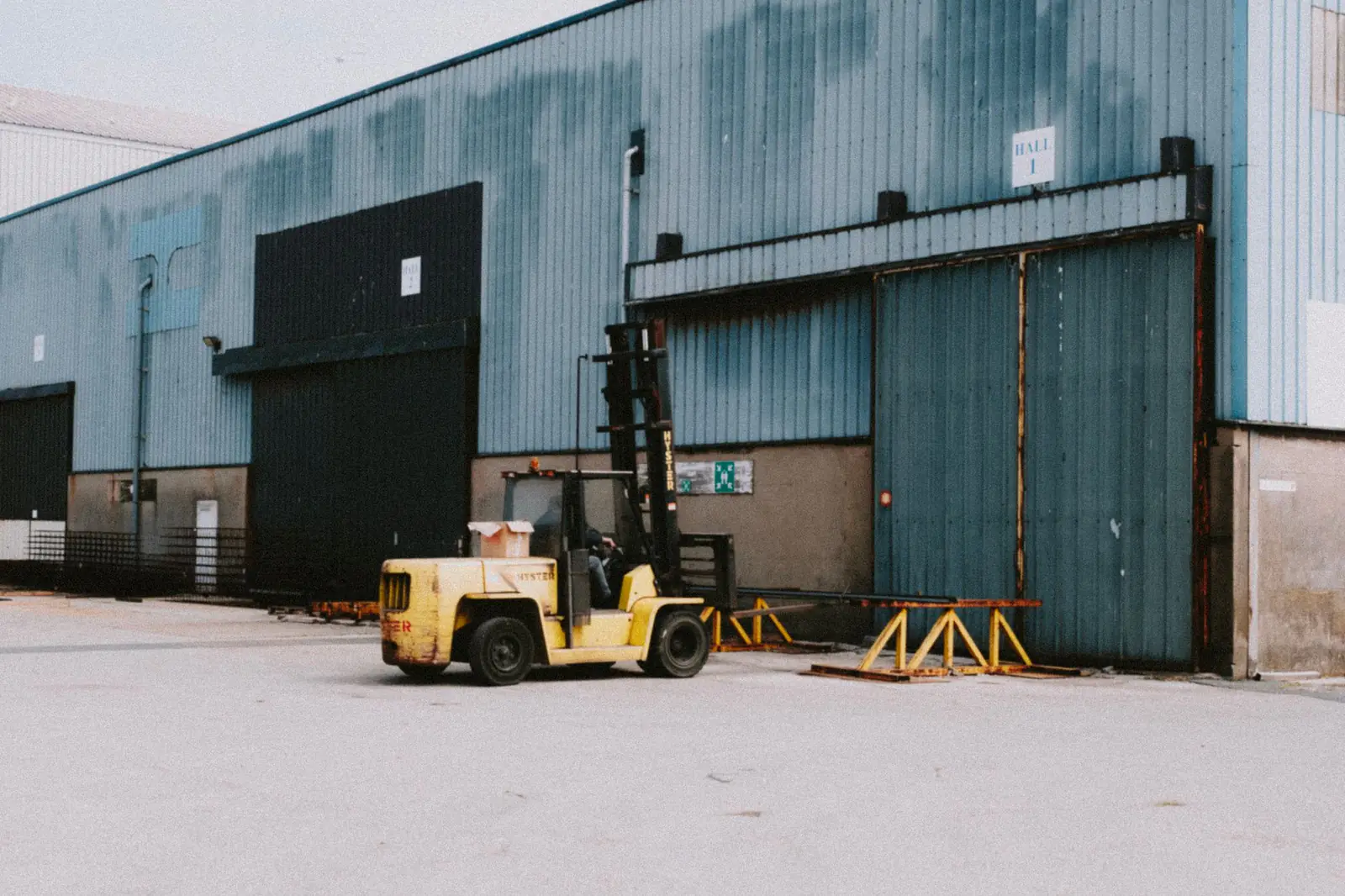
What should LOLER inspection software do for a lifting equipment business?
At the very least, LOLER inspection software should hold:
- a register by customer and site, keyed on the serial number, with each machine's safe working load
- the next examination date, from the interval or the examination scheme
- reminders for your team and for the customer
- examinations placed in the workshop plan
- the LOLER inspection checklist and the report, filled in on the engineer's phone with photos and a signature
- each defect, tracked until it is put right
- a customer portal where reports and certificates can be downloaded
What do the LOLER regulations require, and how often?
The Lifting Operations and Lifting Equipment Regulations 1998 require a competent person to examine lifting equipment thoroughly at set intervals.
Which equipment is covered?
For a materials handling business, LOLER covers forklift trucks, mobile elevating work platforms, cranes, hoists, and accessories such as slings and chains.
How often is LOLER testing due?
Unless an examination scheme sets other intervals, regulation 9 and the HSE guidance on thorough examination give these maximum intervals for equipment exposed to wear, as a machine working on a customer's site is:
| Equipment | At least every |
|---|---|
| Lifting equipment for lifting people | 6 months |
| All lifting accessories | 6 months |
| All other lifting equipment | 12 months |
Every machine at every customer therefore carries its own date, and that date is what the software holds.
Reports, defects and records: what the software has to keep
Schedule 1 of LOLER lists the eleven items a report of thorough examination must contain, from the employer's name to the date of the report, and HSE sets no fixed form for it as long as all eleven are there, so the software should refuse to close a report with an item missing.
A defect that is a danger to people keeps the machine out of use until it is rectified. Where a defect is not yet a danger but could become one, the report has to give the time by which it could and the repair required. Past that time the machine cannot be used until the defect is rectified, which gives your quote its deadline. Under regulation 11 of LOLER, a periodic report must be kept for at least two years, and HSE accepts electronic records provided you can produce a written copy. Each report therefore belongs on the machine's record, where your customer finds it the day an inspector asks, instead of in a folder called "reports final 2".
When the fleet belongs to your customers
Reminding the customer before the date
Each due date should send that customer a reminder listing the machines concerned and hold a slot in the workshop plan. Sent weeks ahead, that reminder turns an obligation the customer forgets into recurring, plannable work.
From defect to quote to job card
A defect found on site is remedial work waiting to be offered, and software that stops at the report leaves it to the office, where someone prices the parts from the report and opens the job by hand.
The engineer's report, without retyping in the office
The engineer writes the findings once, on site, and someone at the office types the report from the handwriting, then half of it again into the job card. Every step after the first is work for a tool wired into your system.

Spreadsheet, standalone software or a tool wired into your system?
For a dozen trucks in your own warehouse, a column of dates does the job. For your customers' fleets, a spreadsheet warns nobody until someone opens it and never hears that a customer has sold a truck. A standalone package fixes the warnings and adds one more place to enter customers your business system already holds, and two customer lists end up disagreeing, usually on the day it matters.
Stator is a French company that shows industrial businesses with 10 to 199 employees (industrial maintenance, lifting and materials handling, machinery, after-sales service) where their time goes and what AI can take over, then builds the missing tool, wired into the ERP or software they already run. In a lifting business, software built around your workshop sits beside your business system without replacing it. LOLER touches the plan, the reports, the defect quotes and the reminders, and our complimentary thirty-minute AI audit looks at where the time goes and what can be wired in.
Frequently asked questions
What is the difference between LOLER and PUWER?
LOLER covers lifting equipment and its thorough examination. PUWER covers work equipment in general, and HSE notes that maintaining lifting equipment so it stays safe is a PUWER requirement, so one machine can carry more than one date.
Can the engineer who services a machine also examine it?
HSE guidance says the person who carries out routine maintenance on a machine should not be the one who examines it, because they would be assessing their own work. The plan therefore needs to know who services each machine before it allocates the examination.
Is a thorough examination only due every six or twelve months?
No: regulation 9 also requires one each time exceptional circumstances put the safety of the equipment at risk. HSE says these may include damage or failure, long periods out of use and major changes such as the replacement or repair of critical parts, which is why a repair job card can call for an examination.
Not sure where to start?
You talk us through your week. We find what repeats and what costs you most, and tell you where to start.
Book a callA free thirty-minute video call, no obligation.